Once-boys

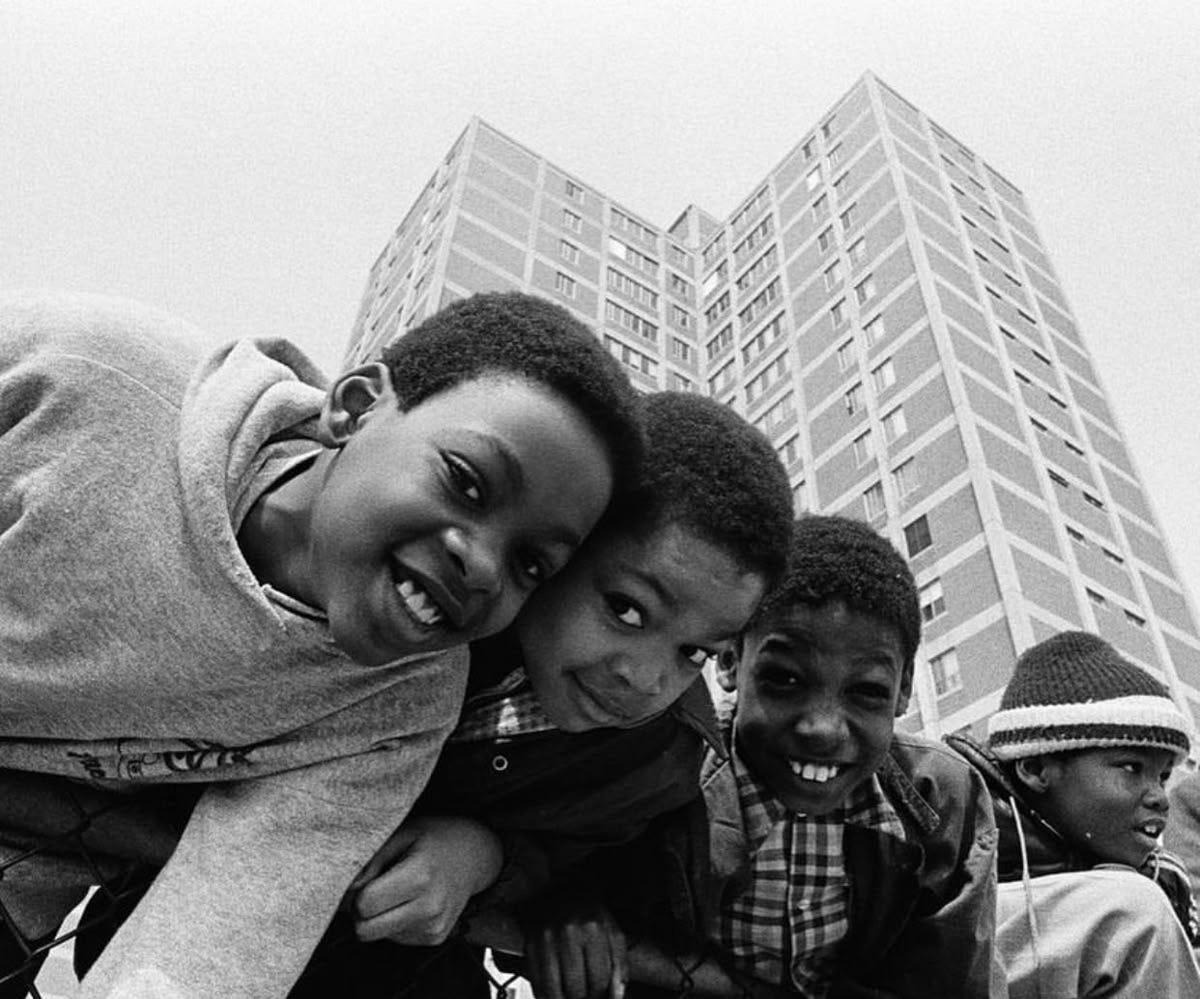
Inspired by a short conversation with Kwesi, a gentle once-boy
One of my earliest recollections of empathy was shared between my sister and I.
We had just arrived home from one of the few international grocery stores in the area, and the trunk of my mom’s Camry had become an assortment of yams, stockfish, scotch peppers, and cases of malt. In the typical fashion of an ambitious five-year-old boy, I gestured ahead to my mom and my sister to take only a few bags and head into the house—I would carry the brunt of the groceries.
Not long after I managed to strap the last grocery bag onto the last free inch of space on my arm, I heard the noise of glass shattering, quickly followed by my sister’s screams. I peered over the taillight of the car to see her on the ground, holding up her knee as if to showcase the malt-brown piece of glass jutting through her flip-flop and into the sole of her foot.
My mother and I both dropped our bags and raced towards her. My mother scooped her up, and frantically carried her into the house while I stayed close to her hip, my eyes fixed on her expression, searching for any sign of worsening pain—feeling her distress while also hoping it would somehow go away.
Throughout that day, I stayed by her side: in the bathroom while my mother carefully removed the shard of glass and wiped the wound clean, through her tears as she fought the rubbing alcohol, and that night, as I looked across from my bed to hers in our shared room. I kept hoping she was okay.
I return to this day often, but especially over the past few weeks. As I continue to age and reflect on the traits I want to strengthen and carry with me, I come back to this moment to remember a core aspect of my boyhood: I felt emotions deeply. At times they felt all-encompassing, incessant, sharp. The empathy I had for my sister in that moment felt this way. It felt transcendent then, between me and her, and it feels transcendent now, but across time.
That memory has also continued to shape my reflections on the ontology and origins of manhood. I have always believed that the shape of manhood is seldom drawn by men. Among the many norms, institutions, and constructs that define what it means to “be a man,” the innocence of boyhood is an often-overlooked coauthor. In that formative period, we see soon-to-be men exhibit the unfettered traits of their nature. We see play, naivety, and raw emotion before those acts are filtered through societal approval and mimicry. In these performances and exhibitions of a boy are the foundations of his manhood. I look back on that day and see how my exhibition of deep feeling drew me toward someone I cared for deeply, and because of that, I never want that trait to be at odds with what I consider a man to be.
I want strong emotion to permeate every aspect of my life. I want to deeply feel sadness and understand its roots. I want to be slow with frustration and peel it apart until I can identify what it steers me toward. I want to share in love, joy, and laughter with the people who mean the most to me. I want concern and stress to fuel critical thought about what I consume and what I put out into this world. I also want to continue surrounding myself with other once-boys who are unafraid to feel, and to let those feelings become all-encompassing. And I can confidently say that I have.
When I look at my close friends, I see once-boys who have lived through versions of my childhood experiences. They are now (mostly) soft-spoken, eager for detail and eager for breadth. Slow to learn and slow to appreciate. Eager to feel the full breadth of emotion and its depth. They serve as a looking glass into my current self just as much as they serve as an image of who I continue to strive to be.
These moments of what felt like novel awareness of an emotion litter my childhood. The insight and wisdom they offer can still surprise me, given how young I was when I experienced them. But they did shape who I am, and they continue to shape who I am becoming. In my ongoing conversation with manhood, and with how I want to meet the world, I keep returning to that day beside my sister. As a boy, I began coloring in the outline of the man I hoped to become: someone for whom feeling deeply is not a weakness to outgrow, but a way of loving, attending, and remaining human. I want that boy to keep living in my manhood. That is how I hope to manage approaching the world.
love this